

Understanding Accordion Shutters: How Long Do They Last?
Accordion shutters are a permanently mounted storm-protection system made of interlocking panels that slide on tracks to cover doors and windows quickly during hurricanes. Their service life matters — shutters keep openings secure, help you meet building codes, and affect the long-term cost of protecting your home. This guide breaks down typical lifespan ranges, coastal stressors, material and installation factors, maintenance that extends service life, signs that mean repair or replacement, warranty issues, and how accordion shutters stack up against other options. You’ll get practical inspection checklists, clear decision rules for repair vs. replace, regional tips for coastal North and South Carolina, and local service options — including how to request a free estimate or use our online cost calculator for personalized lifespan and replacement cost guidance.
How Long Do Accordion Shutters Typically Last?

With routine care and quality components, accordion shutters usually last about 10–20 years. Actual life depends on material grade, how often they’re used, installation quality, and environmental exposure — salt air and UV on the NC/SC coast accelerate wear. Knowing these factors helps you set inspection intervals and budget for future repairs or replacement. Below is a practical breakdown of expected lifespans by material and exposure to help with planning.
Accordion shutters lifespan varies by material and exposure:
Upgrading materials and using corrosion-resistant components measurably improves longevity; next we look at average lifespans in real-world conditions.
What Is the Average Lifespan of Accordion Hurricane Shutters?
Most homeowners see accordion shutters last roughly 10–20 years when they perform routine upkeep and exposure is moderate. Shorter lifespans happen where constant salt spray, poor anchoring, or heavy daily use cause premature wear. Systems installed with corrosion-resistant hardware and factory-grade finishes frequently reach the higher end of that range. Knowing typical ranges helps prioritize inspections and decide whether targeted repairs or phased replacement are the better value.
How Do Coastal Environments Affect Accordion Shutter Durability?
Coastal conditions — salt spray, high humidity, and strong UV — speed up corrosion, finish breakdown, and material fatigue. Salt on tracks and fasteners encourages galvanic corrosion; UV accelerates paint and powder-coat deterioration. These effects mean more frequent maintenance and shorter intervals between major service unless you specify stainless fasteners, heavy-duty coatings, and tighter inspection schedules. Homeowners in Wilmington, Myrtle Beach, and other NC/SC coastal towns should plan for at least semiannual inspections and more frequent touch-ups.
What Are the Key Factors Affecting Accordion Shutter Wear and Tear?
Wear and tear mainly come from three sources: the quality of materials and hardware, the installation and anchoring methods, and local environment and usage patterns. Material choice determines corrosion resistance and stiffness; installation precision affects alignment and load distribution during storms; and environment plus operation frequency drive how fast parts degrade. Understanding these lets you prioritize upgrades and preventive steps that deliver real lifespan gains.
Key wear-and-tear factors to inspect include materials, installation, and environment:
- Material quality: Higher-grade aluminum and corrosion-resistant fasteners reduce rust and fatigue.
- Installation accuracy: Correct anchoring and alignment prevent uneven wear and binding.
- Usage frequency and storage: Frequent manual operation or improper stowage increases mechanical stress.
These factors interact — better materials and precise installation lessen vulnerability to environmental damage and frequent-use wear.
How Does Material Quality Influence Accordion Shutter Longevity?
Material grade affects corrosion resistance, structural strength, and finish life — all central to how long shutters last. Higher-grade aluminum alloys with durable powder coats and 18-8 stainless fasteners resist rust and keep panels aligned longer than lower-spec parts. Anodizing and premium coatings slow oxidation and UV damage, while stiffer alloys resist wind-induced warping. Choosing premium components typically reduces maintenance frequency and often comes with longer warranties, lowering lifetime costs.
Why Is Professional Installation Important for Shutter Durability?
Professional installation ensures correct anchoring, alignment, and fastener choice — all of which reduce operational wear and improve storm performance. Certified installers perform a Design Pressure Analysis to match hardware to wind loads and select fasteners to avoid premature loosening or corrosion. Proper alignment prevents binding, uneven track wear, and panel fatigue. Quality installation also preserves warranty coverage and usually means fewer repairs and longer service life.
What Are the Essential Maintenance Tips to Extend Accordion Shutter Lifespan?
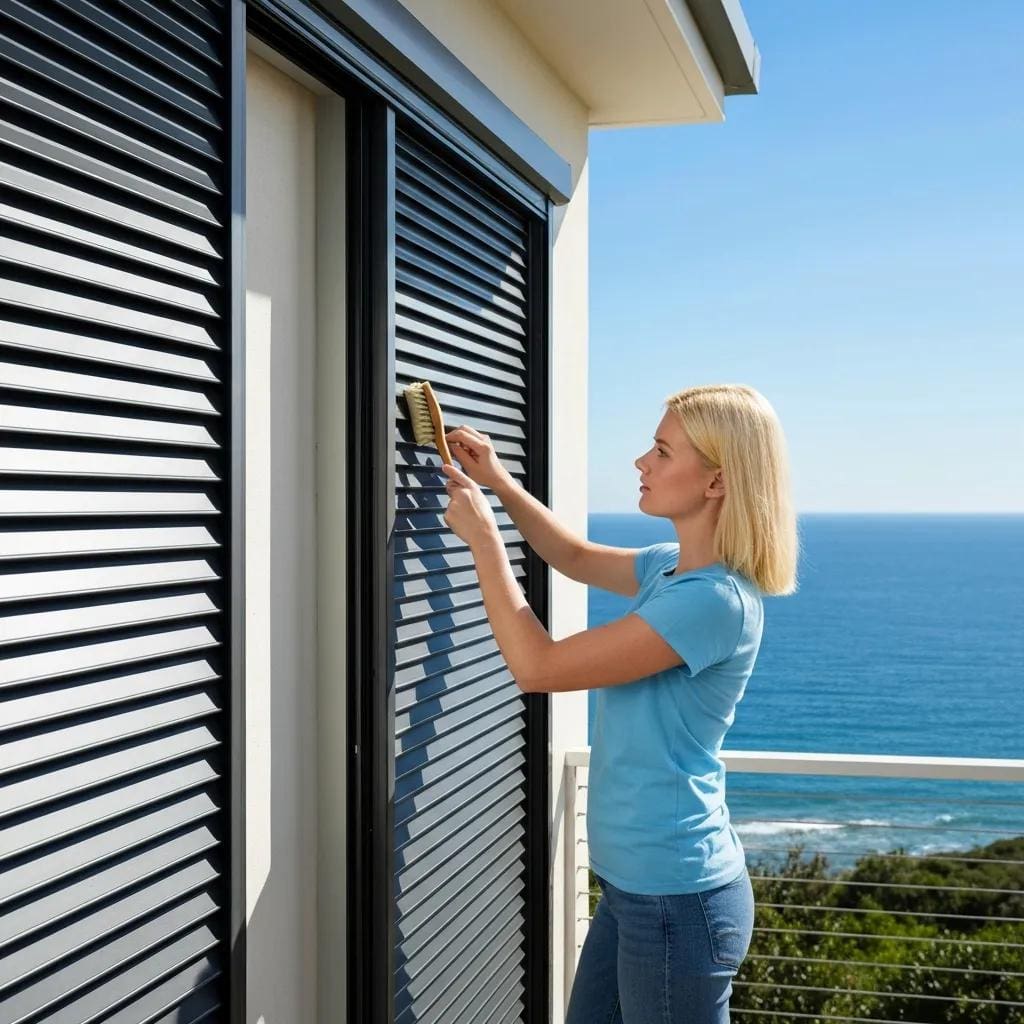
Regular, consistent maintenance is the most effective way to extend accordion shutter life and stop small issues from becoming costly failures. Focus on cleaning, lubrication, inspections, and quick treatment of corrosion or finish damage. A repeatable schedule tailored to coastal conditions keeps tracks clear, hardware working, and seals intact — reducing strain and preserving structural integrity. The table below gives a practical maintenance schedule for homeowners and facility managers.
Essential maintenance tasks, frequency, and tools:
This schedule gives clear intervals and tools; next are step-by-step maintenance actions homeowners can safely perform.
Maintenance steps to perform at home:
- Clean tracks and panels to remove salt and grit that abrade moving parts.
- Lubricate only the recommended points (pivot hinges, upper tracks) with dry lubricants.
- Inspect fasteners, seals, and locking hardware; tighten or replace any compromised parts.
- Treat minor corrosion right away with a rust converter and touch-up paint to stop progression.
How Often Should Accordion Shutters Be Cleaned and Lubricated?
For most homeowners, clean twice a year and lubricate once a year as a baseline — increase frequency on the coast where salt accelerates wear. Cleaning removes abrasive salt from tracks and panels so parts move smoothly. Use dry PTFE or silicone lubricants that won’t attract dirt like wet oils do. Safety note: secure panels and follow manufacturer instructions when working near openings; when unsure, hire a pro.
What Are the Best Practices for Rust Prevention and Inspection?
Prevent rust by finding and fixing it early: check tracks, hinges, fasteners, and panel edges for discoloration or pitting at least annually and after storms. Use a flashlight to inspect hidden fasteners and the underside of tracks where salt gathers. For minor surface rust, clean, apply a rust converter, and seal with matching touch-up finish. If rust affects structural fasteners or panel integrity, schedule professional repair to avoid progressive failure and safety risks.
What Are the Common Signs of Wear Indicating Accordion Shutter Repair or Replacement?
Catching wear early prevents emergency failures and helps weigh repair versus replacement. Look for panel warping, persistent rust on critical fasteners, frequent binding, and loose or deformed tracks. Operational clues like grinding noises, uneven travel, or locking failures point to internal hardware fatigue. Below are common symptoms, likely causes, and the homeowner actions to take next.
Common diagnostic indicators and next steps:
- Warped panels → Often impact damage or metal fatigue; photograph the issue and arrange an inspection.
- Grinding or binding → Usually debris in tracks or misalignment; clean tracks and test operation.
- Corroded fasteners → Corrosion weakens connections; tighten, treat minor corrosion, or schedule fastener replacement.
- Failure to lock → Worn locks or misalignment; stop using the shutter until a professional inspects it.
How Can You Identify Warped Panels, Rust, and Operational Issues?
Warped panels show gaps when stowed or edges that rub tracks during operation — inspect from inside and out and slowly deploy to watch for binding. Rust usually starts at fastener heads, hinge pivots, and track bottoms — look for orange-brown stains or pitting. Operational problems show up as noisy, jerky movement, inconsistent locking, or panels that won’t latch. Take photos and note when you first saw symptoms; that helps technicians and supports warranty or insurance claims.
When Is It Time to Replace Accordion Shutters?
Replace shutters when structural integrity is compromised, cumulative repairs approach half the cost of a new system, or the shutters no longer meet code or safety needs. Red flags include major panel deformation, widespread corrosion of load-bearing fasteners, or repeated lock failures that repairs can’t fix. Consider replacement as a planned upgrade if frequent repairs interrupt readiness; newer systems and better hardware can reduce long-term costs. Budgeting replacement over a multi-year plan helps spread expense without risking protection.
How Does Warranty and Professional Service Impact Accordion Shutter Longevity?
Warranties and professional service both extend shutter life by ensuring correct installation, timely repairs, and coverage for manufacturing defects. Warranties typically cover material and finish defects and sometimes labor for a set period, but exclusions often apply for environmental damage or lack of maintenance. Professional service keeps warranty records current and ensures repairs use approved parts. Ask providers clear warranty questions so you avoid surprises and get the most protective value from your system.
Questions homeowners should ask about warranty and service:
- What components are covered (panels, fasteners, finish, labor) and for how long?
- What maintenance actions are required to keep the warranty valid?
- Are corrosion or coastal exposure exclusions specified?
- How are warranty service requests documented and fulfilled?
What Does the Accordion Shutter Warranty Typically Cover?
Warranties usually cover material defects in panels and hardware and may include finish adhesion or color retention for a limited time; labor coverage varies by provider. Common exclusions include damage from improper maintenance, salt corrosion when coastal limits apply, and wear from frequent use. Always request the full warranty language that spells out coverage periods, exclusions, and how to file claims. Knowing this up front helps you plan maintenance and acceptably manage coastal risks.
Why Choose Professional Maintenance and Repair Services in NC and SC?
Local pros understand coastal corrosion patterns, hurricane load requirements, and regional code nuances in North and South Carolina, so inspections and repairs are more accurate and durable. Experienced providers specify the right fasteners and coatings, run a Design Pressure Analysis to match hardware to wind loads, and recommend corrosion-resistant materials like 18-8 stainless steel where it matters. Documented professional maintenance also supports warranty claims and reduces emergency failures. American Hurricane Shutters highlights engineered protection, Design Pressure Analysis, use of 18-8 stainless steel in installations, and compliance with or exceeding applicable Florida Building Code attributes in its service descriptions. Homeowners can request warranty details or a service quote from providers that include these technical attributes in their proposals.
How Do Accordion Shutters Compare in Durability to Other Hurricane Shutter Types?
Accordion shutters provide fast deployment and permanent mounting, making them a good fit where quick access and readiness matter. Compared with roll-down shutters, accordions have fewer powered parts but more exposed hinges and tracks, which changes maintenance needs. Panel shutters are simple and durable for infrequent use but must be stored and handled. The table below compares shutter types by durability factors and typical lifespans so you can choose by use case and coastal exposure.
Comparison of shutter types and durability:
This overview highlights trade-offs; next we cover mechanical differences and how usage frequency changes wear patterns.
What Are the Durability Differences Between Accordion and Roll-Down Shutters?
Accordion shutters use manual sliding panels and exposed hinges — fast to deploy but prone to hinge and track wear over time. Roll-down shutters enclose moving parts, which shields them from salt and debris, but motors and springs require periodic service. Accordions are low-tech and quick to operate; roll-downs offer automation at the cost of motor maintenance. Choose based on how often you’ll use them, whether you want automation, and how much upkeep you’ll do.
How Does Usage Frequency Affect Different Shutter Types?
Frequent operation increases mechanical wear on moving parts — accordion hinges and roll-down motors alike will show wear with daily use. Seasonal or storm-only use shifts the priority to corrosion resistance and storage practices, where panel shutters can outperform in low-use scenarios. For daily or near-daily operation, select systems rated for frequent use and plan more frequent professional inspections. Tune maintenance frequency to your actual usage to preserve longevity regardless of shutter type.
- High-frequency use: Inspect mechanical parts every 6 months and lubricate as needed.
- Seasonal use: Inspect at season start and end, store panels properly, and treat corrosion proactively.
- Storm-ready systems: Keep maintenance records and inspect after major storms.
Aligning maintenance with real use helps homeowners budget time and expense wisely.
Frequently Asked Questions
What are the benefits of using accordion shutters over other types of hurricane protection?
Accordion shutters deploy quickly and are always mounted in place, so they’re ready when a storm approaches. They’re manually operated, which eliminates motor failure risk, and their interlocking panels provide solid protection from wind and debris. For homeowners who want fast, reliable coverage with minimal setup, accordions are a practical choice.
How can homeowners ensure their accordion shutters are compliant with local building codes?
Work with certified professionals who know regional code and design-pressure requirements. Confirm the shutters meet the required design pressure ratings for your area and that installation is performed by licensed contractors. You can also check with your local building department and keep inspection and maintenance records to show ongoing compliance.
What should homeowners do if they notice signs of wear on their accordion shutters?
Document the issue with photos, then assess whether it’s a simple fix (surface rust, debris in tracks) or something needing a pro (warped panels, weakened fasteners). Treat minor surface rust with rust converter and touch-up paint, but call a technician for structural problems or anything that affects locking and safety.
Are there specific maintenance products recommended for accordion shutters?
Yes. Use a mild detergent and soft brush for cleaning, and a dry PTFE or silicone spray for lubrication — these reduce friction without attracting grit. For rust, use a rust converter and matching touch-up paint. Always follow the manufacturer’s product recommendations to protect warranties.
How can homeowners prepare their accordion shutters for hurricane season?
Perform a pre-season inspection: clean panels and tracks, lubricate moving parts, check fasteners and locks, and repair any damage. Doing this well before storm season gives you time to schedule professional service if needed and ensures your shutters are ready when warnings arrive.
What are the common mistakes to avoid when maintaining accordion shutters?
Don’t skip regular inspections, use abrasive cleaners, or apply wet oils that attract dirt. Ignoring early signs of rust or binding leads to bigger problems later. Follow a consistent maintenance schedule and the manufacturer’s guidance to keep your shutters reliable.
Conclusion
Knowing how long accordion shutters last helps you plan for reliable, cost-effective storm protection. Invest in quality materials, professional installation, and a regular maintenance routine to extend service life and keep your home safe. Don’t wait for wear to become an emergency — inspect your shutters now and schedule any needed service. If you’d like help, explore our local services, request a free estimate, or try our online cost calculator to see personalized options for your home.